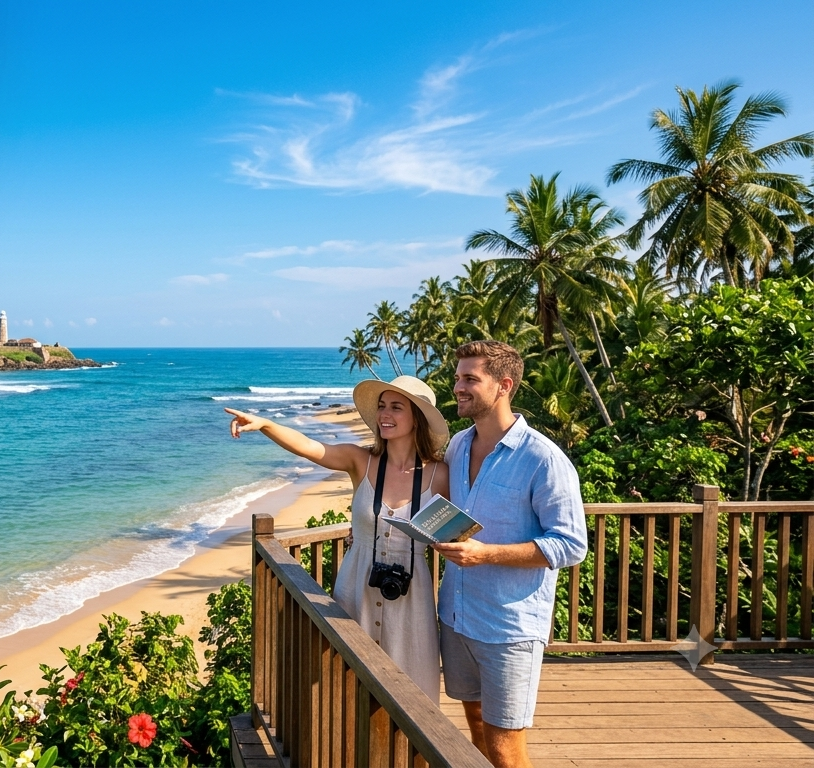
One of the most common questions travelers ask is: "When is the best time to visit Sri Lanka?" The answer is both simple and slightly complex. The simple answer is that Sri Lanka is a year-round destination — there is always somewhere beautiful to visit regardless of when you travel. The complex answer is that weather patterns vary significantly between different regions of the island.
Understanding Sri Lanka's weather will help you choose the best time for your specific itinerary. This month-by-month guide breaks it all down clearly.
Understanding Sri Lanka's Two Monsoon Seasons
Sri Lanka is affected by two monsoon systems, which is why different coasts have different dry and wet seasons:
- Southwest Monsoon (Yala Monsoon): May to September — brings rain to the west coast, south coast, and hill country
- Northeast Monsoon (Maha Monsoon): October to February — brings rain to the north and east coasts
This means when it is rainy on one coast, the other coast is typically sunny and dry. Smart travelers simply plan their itinerary around which region is having its best weather during their travel dates.
Month-by-Month Breakdown
January — Excellent
One of the best months to visit Sri Lanka. The west and south coasts are sunny and dry with calm seas — perfect for beach holidays. The hill country is cool and clear with excellent visibility. The Cultural Triangle is dry and pleasant. This is peak tourist season, so book accommodation early. Best for: Beaches, hill country, cultural sites.
February — Excellent
Similar to January — fantastic weather across the west, south, and central regions. Sea conditions are calm, making it ideal for whale watching in Mirissa and snorkeling. Temperatures are comfortable and rainfall is minimal. Best for: Beach holidays, whale watching, safaris.
March — Very Good
Still excellent across most of the island, though temperatures begin to rise slightly. The west and south coasts remain sunny. Inter-monsoonal showers may start appearing in the afternoons in the hill country, but these are usually brief and refreshing. Best for: All-round travel, surfing in Arugam Bay starts.
April — Good (Hot)
April is the hottest month of the year with temperatures reaching 33-35°C in the lowlands. The Sinhalese and Tamil New Year falls on April 13-14, making it a vibrant cultural time to visit with festivals and celebrations. However, humidity is high and thunderstorms become more frequent. Best for: Cultural experiences, Nuwara Eliya season (horse racing, flower shows).
May — Transition Month
The southwest monsoon arrives, bringing rain to the west and south coasts. However, this is when the east coast becomes the place to be — Trincomalee, Pasikudah, and Arugam Bay start their dry, sunny season. The hill country also gets rain during this period. Best for: East coast beaches, Arugam Bay surfing.
June — East Coast Season
The southwest monsoon is in full effect on the west and south coasts with regular rain and rough seas. But the east coast is absolutely perfect — sunny, dry, and calm. This is also the start of "The Gathering" at Minneriya National Park, where hundreds of elephants congregate around the reservoir. Best for: East coast, Minneriya elephant gathering.
July — East Coast Season
Similar to June. The east coast is at its best with perfect beach weather. The west and south coasts continue to receive monsoon rain, though it rarely rains all day. The Kandy Esala Perahera festival often falls in July or August — one of Asia's greatest cultural spectacles. Best for: East coast beaches, Esala Perahera festival.
August — East Coast Peak
The east coast continues to shine. This is peak season for Arugam Bay surfing with international competitions. The Esala Perahera in Kandy is often held in August — if you can attend, it is a once-in-a-lifetime experience. The west coast monsoon begins to weaken. Best for: Surfing, Esala Perahera, east coast holidays.
September — Transition Month
The southwest monsoon is winding down and the east coast season is also coming to an end. Weather can be unpredictable across the island during this transition. However, September often brings surprisingly good weather to the south coast, and visitor numbers are low, meaning better deals on accommodation. Best for: Budget travel, fewer crowds.
October — Transition Month
October is the wettest month in much of Sri Lanka as the monsoons transition. Heavy rain can occur across most regions. However, the rain often comes in intense but short bursts, and sunny periods in between can be beautiful. This is the quietest tourist month, so prices are at their lowest. Best for: Budget travelers, those who do not mind rain.
November — Improving
Weather begins to improve significantly, especially on the west and south coasts. The northeast monsoon brings rain to the north and east, but the rest of the island starts drying out. Whale watching season in Mirissa begins mid-November. This is a good month to visit before the peak December rush. Best for: Whale watching begins, improving west coast weather.
December — Peak Season Begins
December marks the start of the peak tourist season. The west and south coasts are sunny, dry, and beautiful. The hill country is cool and clear. This is a popular time for Christmas and New Year holidays, so coastal resorts fill up quickly. Book well in advance. Best for: Beach holidays, hill country, Christmas and New Year celebrations.
The secret to Sri Lanka travel planning is simple: follow the sun. When the west coast is wet, head east. When the east is wet, head west. You can never have a bad weather trip if you plan it right.
Quick Reference: Where to Go by Month
- Dec–Apr: West coast, south coast, hill country, Cultural Triangle — all excellent
- May–Sep: East coast (Trincomalee, Arugam Bay, Pasikudah), Minneriya (June–Sep)
- Oct–Nov: Transition — lower prices, possible rain anywhere, improving from November
Does Rain Ruin a Sri Lanka Trip?
Not at all. Even during monsoon season, rain in Sri Lanka typically comes in intense but short bursts — often just 30-60 minutes of heavy rain followed by sunshine. The rain also makes the landscapes incredibly lush and green, which many photographers actually prefer. Moreover, cultural sites, tea factories, spas, cooking classes, and indoor activities continue regardless of weather.
Festivals and Events Calendar
- January: Thai Pongal (Tamil harvest festival), Duruthu Perahera (Colombo)
- February: Independence Day (February 4), Navam Perahera (Colombo)
- April: Sinhalese & Tamil New Year (April 13-14) — the biggest celebration of the year
- May: Vesak (Buddha's birth, enlightenment, and death) — beautiful lanterns and illuminations
- July/August: Esala Perahera (Kandy) — the grandest festival in Sri Lanka
- December: Christmas celebrations, Feast of St. Francis Xavier (Negombo)
Plan Your Trip at the Perfect Time
Choosing the right time to visit can make a big difference to your experience. At Crystal Paradise Travels Sri Lanka, we help you select the ideal dates and design an itinerary that matches the best weather for your preferred destinations. Whether you want guaranteed sunshine on the beach, the best conditions for a safari, or want to experience a specific festival, we will make it happen.
Contact Crystal Paradise Travels today — we will help you pick the perfect time for your Sri Lanka adventure!